News & insights from Utakura Environmental Group
Our work is grounded in kaitiakitanga, manaakitanga, and collective responsibility. We keep our community informed through regular updates on our mahi, restoration projects, and progress across the rohe. By sharing our journey, we aim to inspire action, strengthen collective responsibility, and encourage ongoing care for the Utakura Awa and surrounding whenua
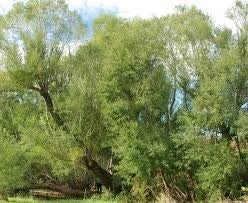
Willows and our Awa
Willows have had a significant impact on the health of the Utakura Awa. While they were originally introduced for bank stability, over time they have become invasive, choking waterways, restricting natural flow, and increasing the risk of flooding when branches and fallen trees block the awa. Their shallow root systems can also contribute to bank collapse, adding sediment into the water and degrading water quality. This has direct effects on our native species — reducing habitat for tuna, inanga, kōura, and other taonga species that rely on clean, flowing water. Dense willow growth shades out native plants, limits biodiversity, and disrupts the natural balance of the ecosystem. Addressing willow spread is critical to restoring the health of our awa. Removing and managing willows, alongside replanting with appropriate native species, will help restore natural flow, improve water quality, and rebuild habitats for the species that belong here.
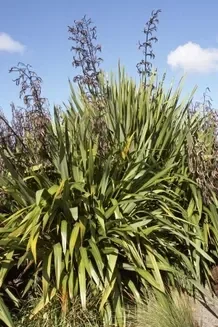
Environmental thoughts and expertise
As part of our long-term restoration vision, we are exploring the development of a native plant nursery within the Utakura rohe. This kaupapa would support local propagation of indigenous species for riparian planting, wetland restoration, and erosion control across the awa and surrounding whenua. By growing our own plants locally, we strengthen self-sufficiency, create training and employment pathways for whānau, and ensure the right species are returned to the right places. This is practical, community-led restoration — building from the ground up for lasting impact.
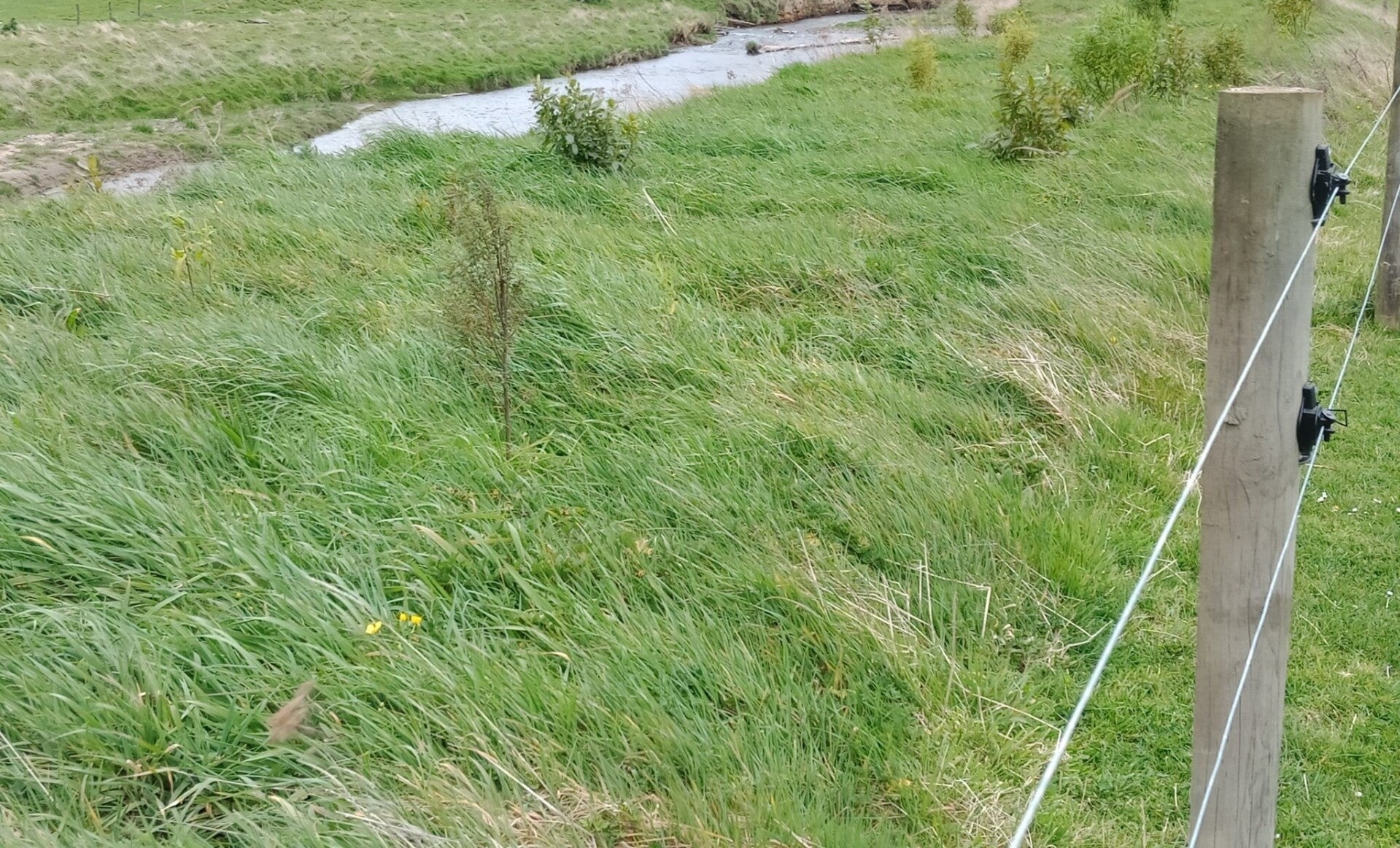
Fencing and Riparian Planting
Fencing and riparian planting are key to protecting the health of the Utakura Awa and surrounding waterways. We acknowledge the mahi already carried out by Tiaki Ngā Wai o Hokianga across parts of Horeke, which has laid a strong foundation for restoration in our rohe. Building on this, our focus is to support further fencing of waterways, reduce stock access, and establish native planting along riverbanks to stabilise soils, improve water quality, and restore natural habitats. This is practical, proven mahi that strengthens the resilience of our awa and ensures long-term protection for our whenua.